Understanding No Damage Hair Extensions
In the world of hair enhancement, the demand for no damage hair extensions has surged as more individuals prioritize hair health alongside aesthetics. Hair extensions can be a game-changer for those looking to add volume, length, or simply experiment with their style without committing to a significant cut or color change. However, traditional methods often come with the risk of damage to natural hair, leading to the need for alternatives that promise minimal to no adverse effects.
What Are No Damage Hair Extensions?
No damage hair extensions are specifically designed to enhance your hairstyle while preserving the integrity of your natural hair. Unlike traditional extensions, which may use glues, tapes, or harsh adhesives, no damage extensions employ gentler methods of attachment. These include clip-ins, halo extensions, and certain types of sew-in methods. The goal is to create a beautiful look without compromising the health of your hair.
Benefits of No Damage Hair Extensions
Choosing no damage hair extensions offers several key benefits:
- Hair Health Preservation: Reduces the risk of breakage and stress on hair follicles.
- Versatility: Easily change your look without long-term commitment.
- Comfort: Often more comfortable than traditional extensions, as they do not tug or pull on the hair.
- Easy Maintenance: Generally easier to care for and allow your natural hair to remain healthy and strong.
Different Types of No Damage Hair Extensions
There are several options available that fall under the category of no damage hair extensions:
- Clip-In Extensions: These are temporary extensions that can be applied and removed at will, making them ideal for those who want a quick change.
- Halo Extensions: These sit on top of the head and are held in place by a transparent wire, causing no damage to the natural hair.
- Sew-In Extensions: When done correctly, sew-in extensions can be gentler on the hair. Choosing a skilled stylist is crucial for minimizing damage.
- Micro-Link Extensions: These involve attaching extensions using small beads, which do not require adhesives, promoting healthier hair.
Choosing the Right No Damage Hair Extensions for Your Hair Type
Assessing Your Natural Hair Condition
Before opting for hair extensions, it is essential to assess the condition of your natural hair. Factors such as thickness, porosity, and overall health can influence which type of extensions will work best for you. Individuals with fine or fragile hair should gravitate toward options that are lightweight and exert minimal tension on the hair follicles.
Matching Hair Extensions to Hair Texture
The key to achieving a natural look with hair extensions lies in matching the texture and color. For instance, those with curly hair may find that textured extensions blend better than straight ones. Additionally, opting for high-quality synthetic or human hair extensions can enhance compatibility with your natural hair.
Considerations for Fine or Thinning Hair
If you have fine or thinning hair, it’s particularly important to select extensions that do not weigh down your strands or strain your scalp. Clip-ins and halo extensions are often recommended for individuals in this category. They provide volume without compromising the health of your hair.
Application Methods for No Damage Hair Extensions
Best Practices for Salon Application
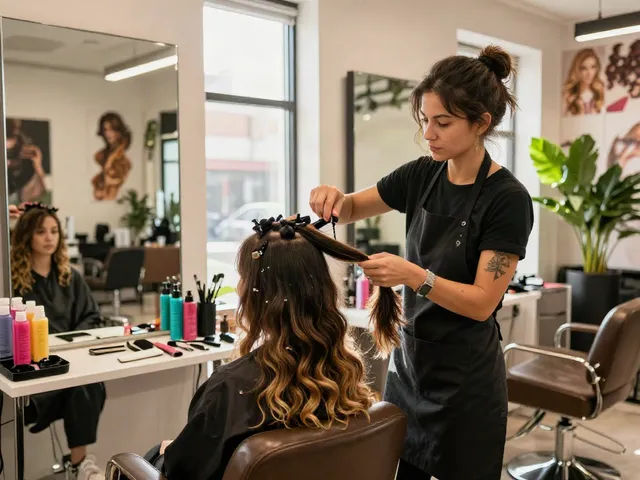
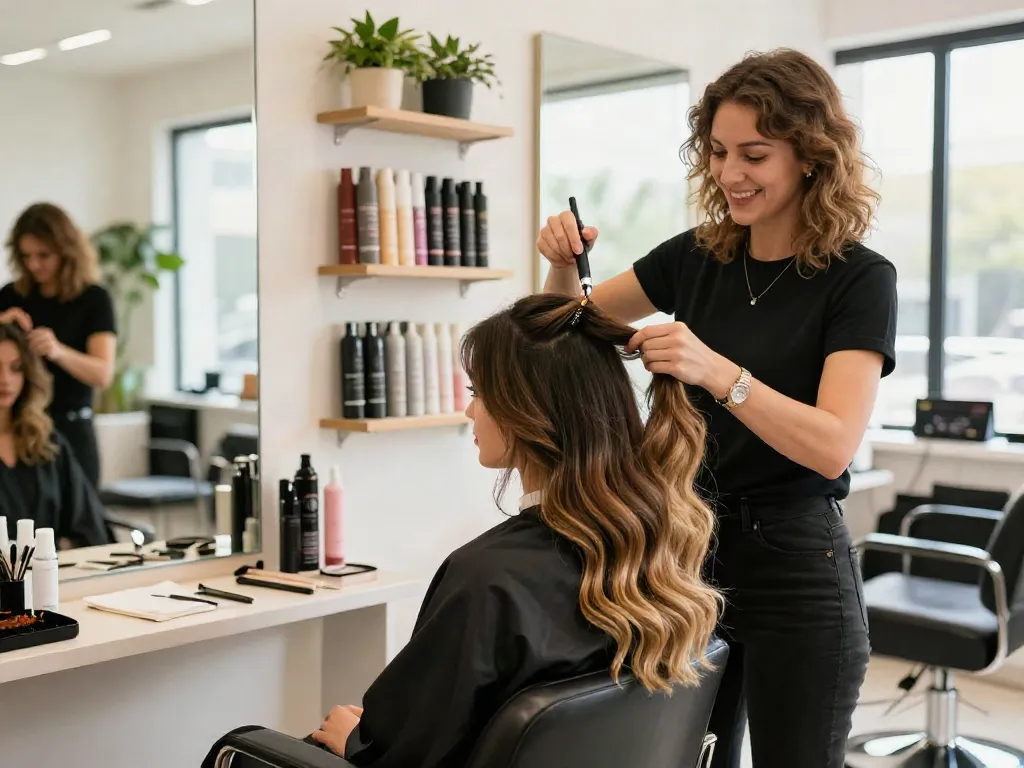
For those considering professional application, here are some best practices to ensure a successful install:
- Consultation: Always start with a consultation to discuss your hair goals and assess your natural hair.
- Skilled Stylist: Choose a stylist experienced with no damage methods to minimize the risk of mishaps.
- Quality Products: Ensure that high-quality extensions and tools are used during the application process.
DIY Methods to Consider
For the more adventurous, DIY application can be a cost-effective solution. Start with clip-in or halo extensions that can be easily applied at home. Watching tutorial videos and following step-by-step guides can enhance the experience and help achieve a polished look.
Frequency of Application and Maintenance
Understanding how often to apply extensions and how to maintain them is crucial. Clip-in extensions can be used daily, while sew-in or micro-link versions may require more extended intervals for optimal hair health. Regular maintenance, such as cleaning and detangling, also helps prolong the life of extensions.
Maintaining Healthy Hair with No Damage Extensions
Daily Care Tips for Healthy Extensions
To keep your extensions looking their best, daily care is important. Be sure to brush them gently, avoid excessive heat, and keep them clean with suitable products. For those with clip-in extensions, it’s advisable to remove them at night to prevent tangling and potential damage.
Recommended Products for Extension Care
Using the right products can significantly enhance the lifespan of your extensions. Look for sulfate-free shampoos and conditioners that hydrate without weighing hair down. Leave-in conditioners and detanglers can also be beneficial in maintaining softness and manageability.
Signs of Damage and How to Prevent It
Even the healthiest hair and extensions can show signs of damage. Be on the lookout for split ends, excessive shedding, and dullness in your extensions. Regular trimming and avoiding heat styling can help prevent these issues, ensuring that both your natural hair and extensions remain vibrant.
Future Trends in No Damage Hair Extensions
Innovative Materials and Technologies in 2026
As the beauty industry evolves, so do the materials and technologies used in hair extensions. The future will likely bring advancements in synthetic fibers that mimic human hair more closely, improving the aesthetics of no damage hair extensions while ensuring hair health remains a priority.
Consumer Preferences Shaping the Market
As awareness grows around hair health, consumers are increasingly seeking extensions that align with their values—namely, sustainability and minimal impact on natural hair. Brands that emphasize transparency regarding their materials and processes will likely see a surge in popularity.
Expert Insights for 2026 and Beyond
Industry experts predict a continued trend towards gentler application methods and innovative products designed to protect natural hair. As consumers become more educated, the demand for no damage hair extensions will likely increase, leading to further developments in this space.