Understanding Mini Split Systems
As homeowners seek more efficient and flexible heating and cooling options, the popularity of mini split systems has surged. These versatile fixtures provide an effective solution for temperature control in various settings, whether small apartments, extensive homes, or commercial spaces. In this article, we will delve into the intricacies of mini split air conditioners, from their basic functionality to installation, maintenance, and future innovations.
What is a Mini Split and How Does it Work?
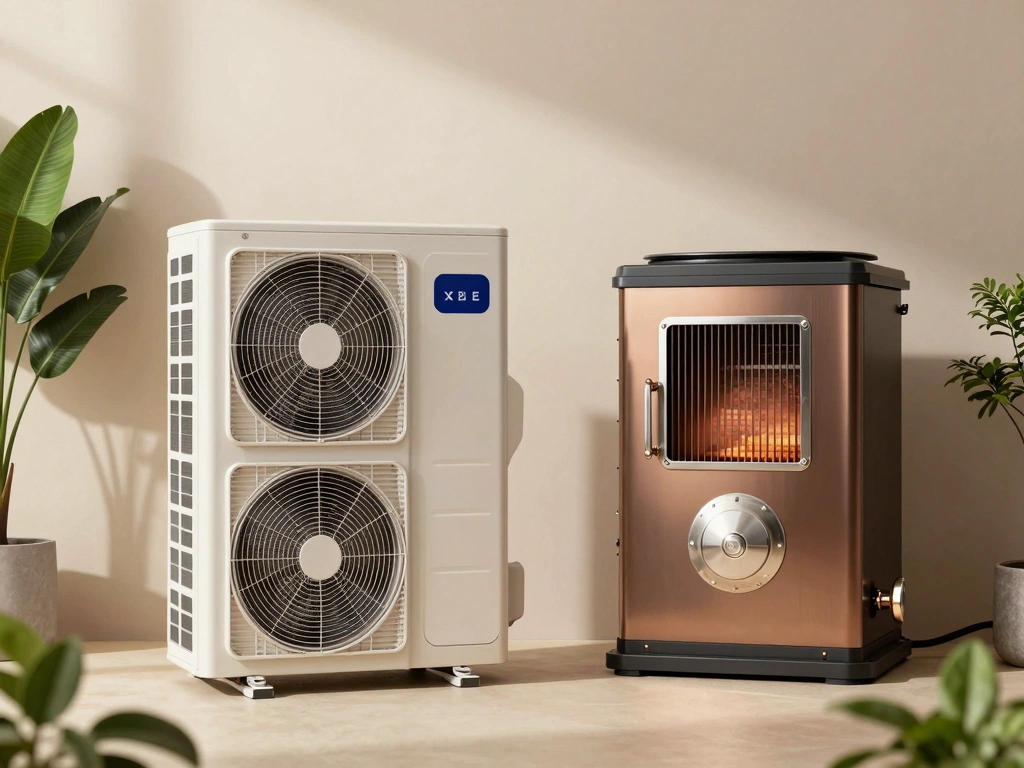
A mini split, or ductless mini-split system, is an advanced HVAC solution that consists of two main components: an outdoor compressor and one or more indoor air handling units. These systems are designed to deliver both heating and cooling without the need for extensive ductwork. The outdoor unit houses the compressor and condenser, while the indoor unit contains the evaporator and fan, allowing for effective air circulation throughout the space.
Mini split systems operate via refrigerant, which absorbs heat from inside a room during the cooling process and expels it outdoors. Conversely, in heating mode, the system extracts heat from the outside air and transfers it indoors, making them remarkably efficient even in colder temperatures.
Key Components of Mini Split Air Conditioners
- Outdoor Unit: Contains the compressor, condenser, and expansion valve. This unit expels heat during cooling or absorbs heat during heating.
- Indoor Unit: Comprises the evaporator and fan. It distributes conditioned air within the room and can be mounted on walls, ceilings, or floors.
- Refrigerant Lines: These insulated copper tubes carry refrigerant between the indoor and outdoor units.
- Thermostat or Remote Control: Allows users to set and adjust temperature preferences easily.
Benefits of Installing a Mini Split System
Mini split systems offer numerous advantages that appeal to homeowners and business owners alike. Here are some of the most notable benefits:
- Energy Efficiency: Mini splits provide significant energy savings compared to traditional HVAC systems, often achieving efficiencies of 20 SEER (Seasonal Energy Efficiency Ratio) or higher.
- Flexible Installation: The absence of ductwork allows for versatile installation options, accommodating various spaces without extensive renovations.
- Zone Cooling and Heating: Many mini split systems allow for multiple indoor units, enabling precise control of temperatures in different areas, which enhances comfort and reduces costs.
- Quiet Operation: Mini splits are typically quieter than traditional central air systems, making them ideal for bedrooms or areas where noise reduction is essential.
Choosing the Right Mini Split for Your Home
When exploring options, mini split air conditioners provide a plethora of choices for homeowners. Selecting the right system involves several factors that can significantly impact your comfort and energy efficiency.
Factors to Consider When Selecting a Mini Split
Before purchasing a mini split system, consider the following factors:
- BTU Capacity: The British Thermal Unit (BTU) rating indicates the cooling and heating capacity of the mini split. Selecting the right BTU size is crucial for efficiency; too low will underperform, while too high will waste energy.
- Energy Efficiency Ratings: Look for models with a high SEER rating to ensure lower operational costs and environmental impact.
- Installation Location: Determine suitable indoor unit placements and evaluate the feasibility of running refrigerant lines to the outdoor compressor.
- Type of System: Decide between single-zone systems for specific rooms or multi-zone units for larger homes or offices.
Popular Mini Split Brands and Models of 2026
The mini split market features several reputable brands, each offering various models tailored for different needs. Some of the top brands for 2026 include:
- Daikin: Known for energy-efficient and user-friendly models, Daikin remains a leader in the industry.
- Mitsubishi Electric: Offers advanced technology and high SEER ratings, renowned for reliability and performance.
- Fujitsu: Praised for its range of models catering to diverse requirements, including low-temperature performance.
- LG: Provides stylish designs with smart technology, appealing to modern homeowners.
Calculating the BTU Requirements for Your Space
The efficiency of a mini split system largely depends on using the correct BTU capacity for your space. To calculate your requirements, consider the following factors:
- Room Size: Measure the square footage of the area. A common guideline is to allocate about 20 BTU for each square foot.
- Ceiling Height: For rooms with higher ceilings, adjust your calculations upwards, as more volume requires more cooling/heating.
- Insulation Quality: Well-insulated rooms need less BTU capacity, while poorly insulated spaces may require more.
- Sun Exposure: Rooms with significant sun exposure may need additional BTUs due to heat gain.
Installation Process for Mini Split Systems
Understanding the installation process is crucial to ensuring your mini split system operates effectively. You can choose between DIY installation or hiring a professional.
DIY vs. Professional Installation: What to Know
While DIY installation can save money, it requires a solid understanding of HVAC systems. Professional installation ensures compliance with local codes and proper setup. If you opt for DIY, be prepared with necessary tools and knowledge of refrigerant handling.
Steps to Install a Mini Split Air Conditioner
- Choose the location for both the indoor and outdoor units, ensuring they are not obstructed.
- Mount the indoor unit on the wall using brackets, ensuring it is level.
- Punch a hole through the wall to allow for refrigerant lines and drainage.
- Install the outdoor unit on a stable platform, ensuring it has sufficient airflow.
- Connect the refrigerant lines, electrical wiring, and drainage hose according to manufacturer's instructions.
- Vacuum the lines to remove any moisture, then charge the system with refrigerant.
- Test the system to ensure it operates correctly and efficiently.
Common Installation Challenges and Solutions
During the installation process, several challenges may arise, including:
- Inadequate Space: Ensure sufficient space around the units for airflow and service access.
- Improper Refrigerant Charging: Use a manifold gauge to accurately charge the system, preventing inefficiencies.
- Drainage Issues: Ensure proper slope on the drainage line to avoid leaks and ensure efficient drainage.
Maintenance Best Practices for Mini Split Units
Proper maintenance ensures your mini split system runs efficiently and has a prolonged lifespan. Neglecting maintenance can lead to costly repairs and decreased performance.
Regular Maintenance Tasks to Ensure Efficiency
To keep your mini split running efficiently, perform the following maintenance tasks regularly:
- Clean or replace air filters monthly to improve air quality and efficiency.
- Inspect and clean the outdoor unit, removing debris and ensuring good airflow.
- Check for any refrigerant leaks and address them immediately.
- Schedule a professional maintenance check-up at least once a year.
Signs That Your Mini Split Needs Repair
Be vigilant for these signs that may indicate your mini split system requires repair:
- Inconsistent temperatures or insufficient cooling/heating.
- Unusual noises or vibrations from the indoor or outdoor units.
- Foul odors emanating from the indoor unit.
- High energy bills without a corresponding increase in usage.
Seasonal Maintenance Tips for Optimal Performance
Adapting your maintenance practices seasonally can enhance efficiency:
- Before summer, clean outdoor coils and inspect refrigerant levels.
- Before winter, ensure the outdoor unit is protected from snow and ice.
- During spring and fall, schedule a professional inspection to prepare for the upcoming seasons.
Future Trends in Mini Split Technology
The mini split industry continues to evolve, incorporating new technologies and addressing environmental concerns. Here’s what to look out for in the coming years:
Innovations to Watch in Mini Split Systems by 2026
Expect to see advancements such as:
- Smart Integration: Many systems will integrate with smart home technology, allowing for remote control and energy management via smartphones.
- Improved Energy Efficiency: Emerging technologies may push SEER ratings even higher, leading to better performance and savings.
- Advanced Filtration Systems: New filtration technologies will enhance indoor air quality, addressing allergens and pollutants more effectively.
Energy Efficiency and Environmental Considerations
With growing concerns about climate change, mini split systems are becoming increasingly eco-friendly. Expect to see more units utilizing refrigerants with low global warming potential (GWP) and advanced energy management systems that optimize performance.
The Future of Smart Home Integration with Mini Splits
As smart home technology advances, mini split systems will likely evolve to offer enhanced connectivity features, including integration with voice-controlled devices and sophisticated energy management systems that optimize performance based on user habits.
What are the disadvantages of a mini split?
While mini split systems offer many advantages, they also have some drawbacks. These may include:
- Higher Initial Cost: The upfront investment can be higher compared to traditional systems.
- Installation Complexity: Improper installation can lead to inefficiencies and necessitate professional assistance.
- Aesthetic Concerns: Some homeowners may find the indoor units unattractive, especially in prominent locations.
Are mini splits really worth it?
When considering their numerous benefits, including energy savings, flexibility, and ease of use, many homeowners find that mini split systems are well worth the investment, particularly for targeted heating and cooling needs.
What does a mini split usually cost?
The cost of a mini split system can vary widely depending on brand, capacity, and installation fees. Generally, homeowners can expect to spend between $2,000 and $5,000 for a complete system, including installation.
Do mini splits work in 100 degree weather?
Yes, mini splits are designed to operate effectively in high temperatures, with many units capable of maintaining efficiency even in extreme heat. However, selecting a unit with appropriate BTU capacity is crucial for optimal performance.